Why STEAM Belongs in Childcare Education
In early childhood education, learning is not about sitting still or memorizing facts. It is about curiosity, movement, imagination, and discovery. That is exactly why STEAM education fits so naturally into childcare settings.
STEAM stands for Science, Technology, Engineering, Arts, and Mathematics. In childcare, STEAM is not about complex experiments or screens everywhere. It is about creating meaningful, hands-on experiences that help young children explore the world around them in ways that feel playful and natural.
Learning Through Play and Exploration
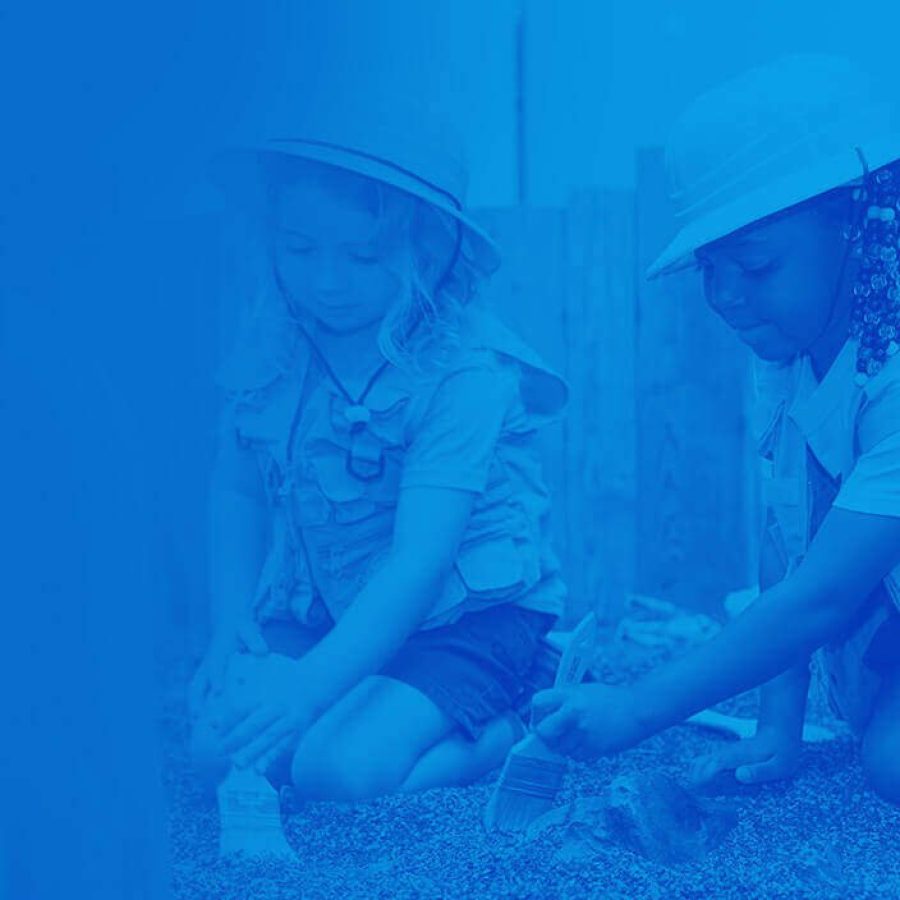
Young children are natural scientists. They ask questions, test ideas, and learn by doing. When a child pours water into different containers, builds a tower with blocks, or mixes colors at the art table, they are already engaging in STEAM learning.
STEAM in childcare focuses on:
- Exploring cause and effect
- Building problem-solving skills
- Encouraging creativity and imagination
- Developing early math and reasoning skills
These experiences happen through play, not pressure. The goal is curiosity, not correctness.
The Role of Each Part of STEAM
Science shows up when children observe bugs outside, talk about weather, or plant seeds and watch them grow.
Technology can be as simple as using age-appropriate tools like magnifying glasses, light tables, or simple coding toys. It is about understanding tools, not just screens.
Engineering happens when children build bridges with blocks, design ramps for toy cars, or figure out how to make a structure stand without falling.
Arts bring creativity into every part of learning. Drawing, music, movement, and storytelling allow children to express ideas and deepen understanding.
Mathematics appears in counting snacks, sorting toys, recognizing patterns, and comparing sizes during everyday routines.
Together, these areas support whole-child development.
Building Confidence and Independence
STEAM activities encourage children to try, fail, and try again. This builds resilience and confidence. When educators ask open-ended questions like “What do you think will happen?” or “How could we fix this?” children learn that their ideas matter.
Instead of giving answers, educators guide thinking. This approach helps children become independent learners who are comfortable exploring new challenges.
Supporting Social and Emotional Growth
STEAM in childcare is often collaborative. Children work together, share materials, and communicate ideas. These moments support:
- Teamwork and cooperation
- Language development
- Emotional regulation
- Respect for different perspectives
Learning becomes a shared experience, not a solo task.
Preparing Children for the Future
STEAM education in early childhood is not about preparing children for specific careers. It is about building skills they will use for life. Critical thinking, creativity, adaptability, and curiosity all start in the early years.
When childcare programs embrace STEAM, they give children a strong foundation for future learning while honoring how young children learn best.
Final Thoughts
STEAM belongs in childcare because it aligns perfectly with play-based learning. It turns everyday moments into meaningful learning opportunities and helps children see the world as a place full of questions worth exploring.
In the early years, STEAM is not a subject. It is a mindset.