

Every parent hopes to raise a child who feels loved, safe, and confident in the world. But what helps children grow into emotionally strong and healthy adults often comes down to everyday interactions: the laughter at bedtime, the reassuring hug after a hard day, or the comfort of knowing they are cared for no matter what.
Learning what are the Positive Childhood Experiences and how they work is a wonderful place to start planning new daily fun activities to have with your Little One!
What Are Positive Childhood Experiences (PCEs)?
PCEs, abbreviation of Positive Childhood Experiences, refer to the nurturing, consistent, and supportive moments that help children feel safe and valued as they grow. These experiences build emotional strength and form the foundation for resilience later in life.
They can be as simple as a parent listening with patience, a teacher showing kindness, or a community where a child feels included. Positive experiences remind children that the world is a caring place, where they belong and can safely explore, learn, and develop.
From early playtime to warm bedtime routines, every caring interaction strengthens a child’s sense of security and shapes how they view themselves and others.
Why PCEs Matter
Good experiences don’t just make children feel good at the moment, but they also have measurable, long-term benefits. Research shows that children who grow up in nurturing, stable, and supportive environments tend to develop stronger emotional regulation, healthier relationships, and more resilience when facing challenges.
Even more powerful is how PCEs help counterbalance difficult experiences. For children exposed to stress or adversity, the presence of love, structure, and belonging can act like a protective shield, softening the impact of those challenges on the brain and body.
Studies have also found that adults who recall having more positive childhood experiences report better mental and physical health, stronger social connections, and greater life satisfaction. Simply put, positive experiences in early life help set the stage for lifelong well-being.
Key Aspects of PCEs
PCEs can take many forms, but a few key elements consistently stand out. Each one contributes to a sense of safety, trust, and connection that children need to thrive.
- Feeling safe and belonging: at home, school, and in the community. A child who knows they’re protected and included feels free to explore and learn.
- Emotional support and play: laughter, reassurance, and empathy help children manage big feelings and learn emotional balance.
- Positive relationships: having a caring adult, teacher, or friend builds confidence and shows kids that help is always available.
- Consistent routines: predictable daily habits like family meals or bedtime stories give children stability and comfort.
- Opportunities to contribute: even small acts, like setting the table or helping care for a pet, build purpose and self-worth.
Each of these moments might seem small, but together, they weave a strong emotional safety net that children carry into adulthood.
How to Promote PCEs at Home
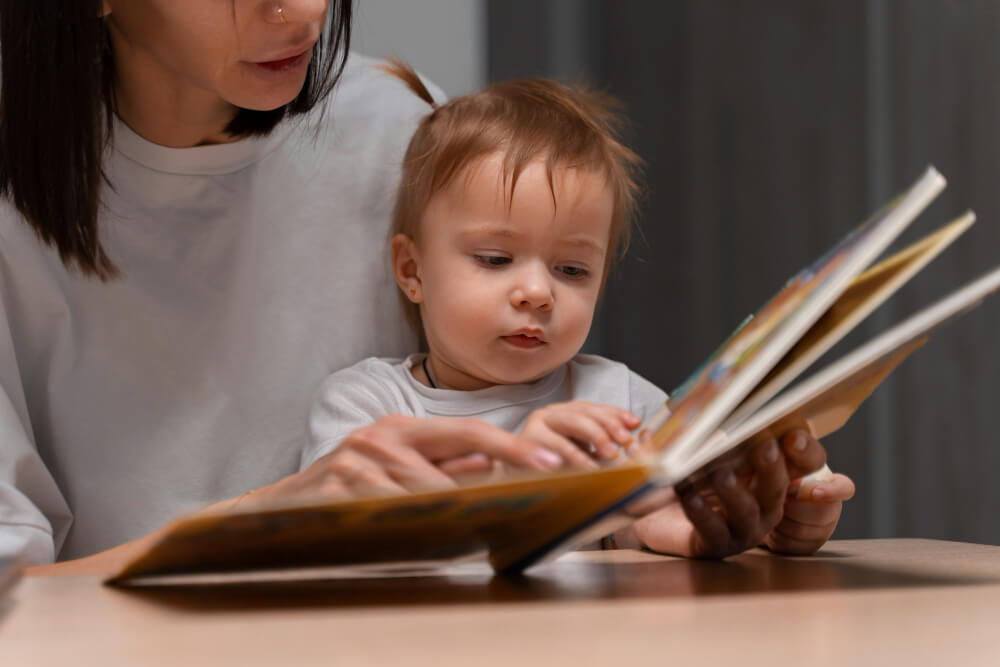
Creating positive experiences doesn’t require perfection: just presence, patience, and genuine care are enough.
Some simple ways to nurture positive experiences every day are:
- Spend unhurried time together. Whether it’s reading a story, cooking together, or just talking about the day, your attention sends a clear message: You matter to me.
- Create moments of gratitude and encouragement. Offer small compliments or express thanks for simple acts, like sharing toys or helping tidy up. These words reinforce kindness and self-esteem.
- Include your child in routines. Let them water the plants, choose their outfit, or help pack lunch. These small responsibilities foster independence and belonging.
- Encourage social connections. Plan playdates, attend local story times, or spend time at the park. Positive peer and community interactions teach empathy and cooperation.
- Keep comforting rituals. Bedtime cuddles, morning songs, or family traditions offer predictability—a gentle reminder that love is always steady, even when life changes.
These intentional, loving actions are crucial for both strengthening your bond, as well as helping your Little One develop useful emotional tools they’ll use throughout life.
The Power of PCEs in Building Resilience
Resilience is the ability to adapt and recover from challenges. It doesn’t appear overnight, but grows from repeated experiences of safety, support, and encouragement.
When children know that caring adults will guide them through tough times, they learn that stress can be managed, not feared.
Positive childhood experiences build this internal strength over time: each time a child is comforted after falling, heard after a tantrum, or celebrated for trying again, their confidence grows.
These moments teach them that mistakes are part of learning and that they are never alone in facing life’s ups and downs. This way, difficult experiences can be turned into something good and a chance to learn.
Children who experience consistent love and encouragement are more likely to develop optimism, curiosity, and emotional balance, all qualities that support lifelong success and well-being.
Growing a Positive Foundation Together
Promoting positive childhood experiences is about being intentional in everyday life, turning ordinary routines into meaningful opportunities for connection. It’s not doing more, but being present more often.
Whether through laughter at dinner, shared stories, or a simple “I’m proud of you,” these small gestures build a child’s sense of belonging and worth. Over time, these layers of love and consistency become the emotional basis that supports them through all stages of life.
The Heart of It All
Every child deserves a childhood filled with warmth, stability, and attention. By nurturing positive experiences in your Little One childhood, you’re doing more than creating happy memories: you’re shaping resilience, empathy, and confidence that last for a lifetime.
Remember that you don’t need grand gestures to make a difference. Your presence, patience, and everyday love are already creating the strongest skills your child could have.
To discover how parenting styles can support even more a child’s growth, check our article about parenting styles!