Early education can feel overwhelming. With so many philosophies and methods out there, it’s easy to feel unsure about which approach truly fits your child. Each seems to promise something different, leaving parents wondering where to start.
Among these options, the Reggio Emilia approach stands out for its child-centered philosophy and its focus on creativity, exploration, and collaboration. Created in Europe, it has grown to inspire schools worldwide.
In this article, we’ll explore what makes Reggio Emilia unique, its core principles, and how it compares with the Montessori method.
What Is the Reggio Emilia Approach?
The Reggio Emilia approach emerged in the small Italian city of Reggio Emilia after World War II. It was shaped by Loris Malaguzzi, an educator who truly believed in the potential of every child and their natural curiosity to make sense of the world.
In those years of rebuilding, the community came together to create schools that encouraged curiosity, self-expression, and collaboration.
At the heart of Reggio Emilia is a simple but powerful idea: children are curious, capable, and eager to explore. They aren’t empty vessels waiting to be filled, but rather active thinkers, questioners, and discoverers—and their ideas matter at every step of learning.
Teachers in Reggio Emilia classrooms are more like co-explorers than traditional instructors. They watch, listen, and support, helping children make connections and try new things, rather than giving step-by-step directions.
Learning happens through hands-on projects, playful investigations, and real-world experiences, giving children the freedom to experiment, reflect, and grow at their own pace.
Core Principles of Reggio Emilia
One of the core ideas in Reggio Emilia is the image of the child. Every Little One is seen as strong, resilient, and full of potential, each with their own unique interests and talents.
This view shapes every activity, project, and choice in the classroom, making each moment meaningful and respectful of the child’s voice.
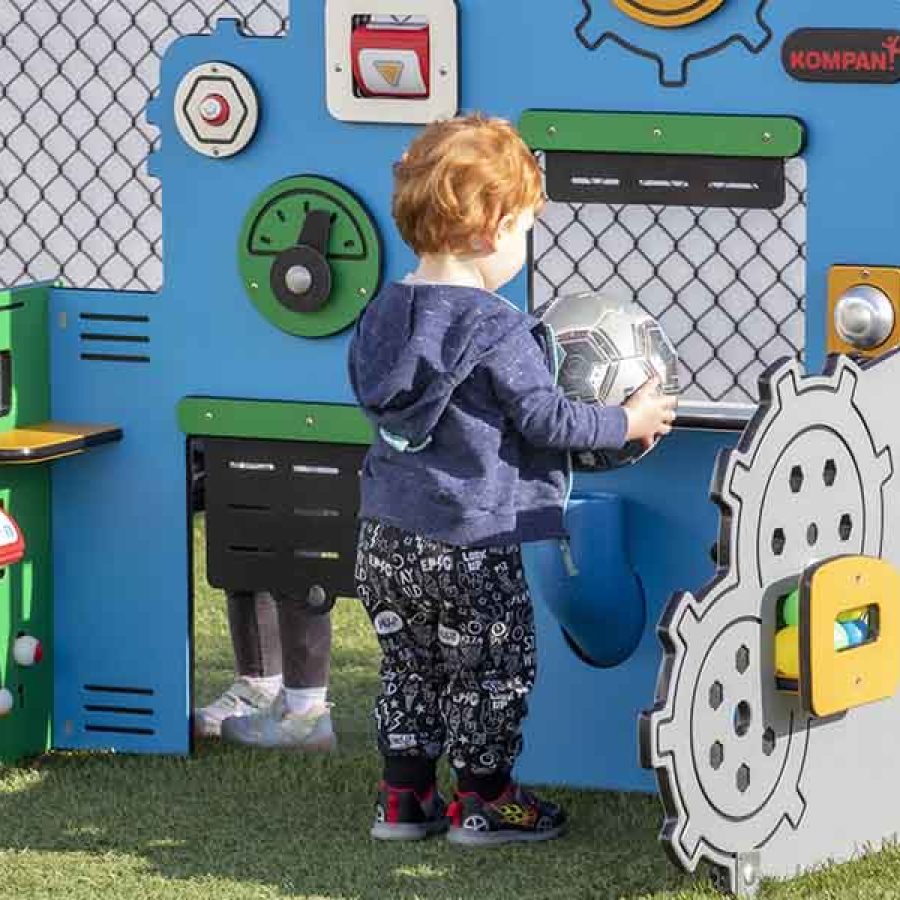
The environment itself is often called the “third teacher.” Classrooms are filled with natural light, open spaces, and materials that are easy to reach, inviting everyone to explore, experiment, and play.
Every corner, shelf, and activity area sparks curiosity and encourages independence.
Documenting learning is another important piece of the puzzle. Teachers capture each child’s thinking and discoveries through photos, drawings, and journals.
This not only highlights each child’s journey, but also opens up a conversation between children, teachers, and families, celebrating learning together.
Collaboration is at the heart of everything. Children learn through relationships—with friends, teachers, and parents.
Group projects, discussions, and shared problem-solving help Little Ones develop social skills, empathy, and a real sense of community. Parents are valued partners, bringing their own experiences and insights to enrich the child’s learning adventure.
Differences Between Reggio Emilia and Montessori
While both Reggio Emilia and Montessori value children’s independence, they take different paths. Montessori classrooms are more structured, with pre-set materials and clear activities.
Teacher’s Involvement
Little Ones often work on their own, with the teacher guiding them gently through the prepared materials.
Reggio Emilia, on the other hand, is more playful and child-led. Learning grows from each child’s interests rather than following a strict curriculum.
Creativity, expression, and exploration are at the center, and projects can unfold over days or even weeks, shaped by questions, observations, and discoveries.
Students’ Independence and Curriculum
Teachers in Reggio Emilia classrooms join children in discovering, thinking, and experimenting, rather than sticking to a rigid plan.
Montessori teachers, while attentive, focus more on helping children master specific skills through carefully prepared materials.
In terms of community, Montessori emphasizes individual progress more, while Reggio Emilia celebrates connection, conversation, and collaboration at every step.
Benefits of the Reggio Emilia Approach
Reggio Emilia helps Little Ones grow their creativity, curiosity, and problem-solving skills every single day.
They get to experiment, ask questions, and explore in ways that build deeper understanding and flexible thinking.
It also encourages teamwork and communication.
Working on projects together, sharing ideas, and listening to each other helps children develop empathy, learn to negotiate, and feel a real sense of belonging.
Confidence and independence blossom as children see themselves as capable learners. They make choices, solve problems, and reflect on what they’ve discovered, building self-assurance and resilience along the way.
Family-school partnerships are another special part of the approach, with parents being partners by sharing insights, joining projects, and watching their child’s learning journey unfold.
This connection not only enriches the experience but also strengthens the bond between home and school.
Is Reggio Emilia Right for Your Family?
Choosing the right school for your Little One can feel like a big decision, and there’s a lot to consider.
The Reggio Emilia approach works especially well for families who value creativity, exploration, and collaboration.
If you love watching your child dive into project-based learning, follow their curiosity, and discover alongside friends, Reggio Emilia could be a wonderful fit.
How you guide your child at home also matters—warm, responsive parenting styles can support their learning and make the school experience even more meaningful.
In the end, finding the right school is about observing, asking questions, and trusting your instincts. Every child is unique, and the best environment is one that nurtures their interests, supports their abilities, and aligns with your family’s values.
Bringing It All Together
Reggio Emilia sees children as capable learners, thriving when they have space to explore, create, and discover alongside others. Curiosity, expression, and collaboration are at the heart of the approach, with strong emphasis on relationships and the learning environment.
Compared with Montessori, Reggio Emilia is more flexible, project-driven, and socially interactive. Teachers work together with the children and parents act as partners, turning learning into a shared, joyful journey.
Programs designed specifically around it aren’t everywhere, and elements like teacher training or program costs can vary. Taking the time to visit schools and see how their philosophy comes to life day to day makes a real difference.
See the Reggio Emilia model in practice. Schedule a tour at an AEA location today and get a glimpse into your child’s bright future!